When you or someone you love needs extra support with everyday activities, deciding where that care should happen is an important choice.
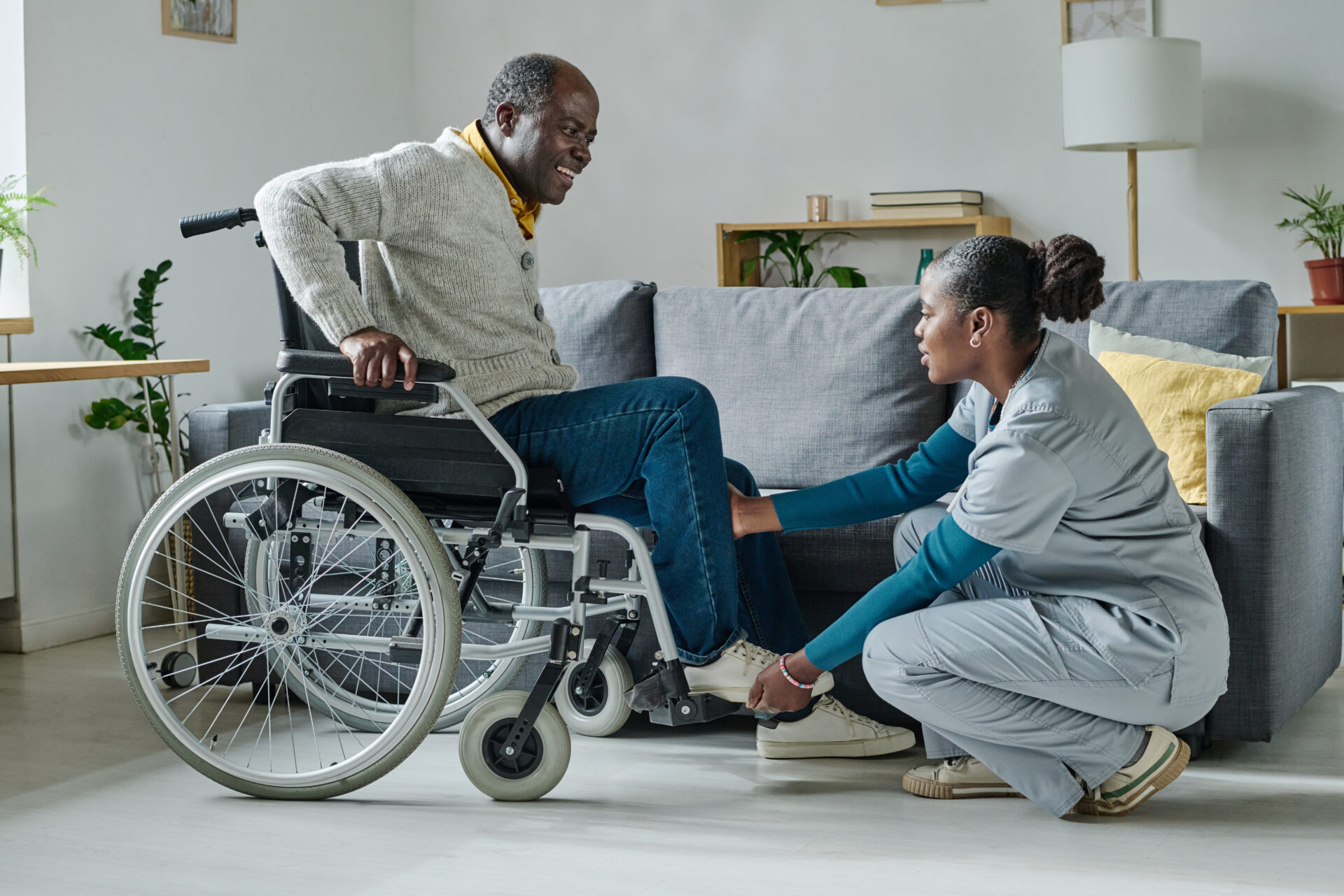
For many older adults and people with disabilities, receiving care at home makes it possible to get needed assistance while remaining in familiar surroundings. Depending on individual needs, in-home care can provide help with personal care, household tasks, companionship, and other daily activities.
Here are 7 benefits of receiving care at home and why families throughout the St. Louis area may consider it for their loved ones.
1. Stay in a Familiar Environment
You know how that adage goes — there’s no place like home.
It’s where routines are established, memories are made, and people are surrounded by the things that make them comfortable. Receiving care at home allows individuals to get additional support without immediately having to leave those familiar surroundings.
For eligible older adults and people with disabilities, Missouri’s Home and Community-Based Services (HCBS) can also provide an alternative to receiving necessary support in an institutional setting.
2. Maintain More Independence
It’s important to remember that needing help with certain activities doesn’t mean someone has to sacrifice their independence.
One of the benefits of in-home care is that assistance can focus on the areas where an individual needs support while allowing them to continue doing what they can independently.
Everyone’s needs and care arrangements look different, but assistance at home may include:
- Bathing and grooming
- Dressing
- Meal preparation
- Light housekeeping
- Mobility assistance
- Everyday household tasks
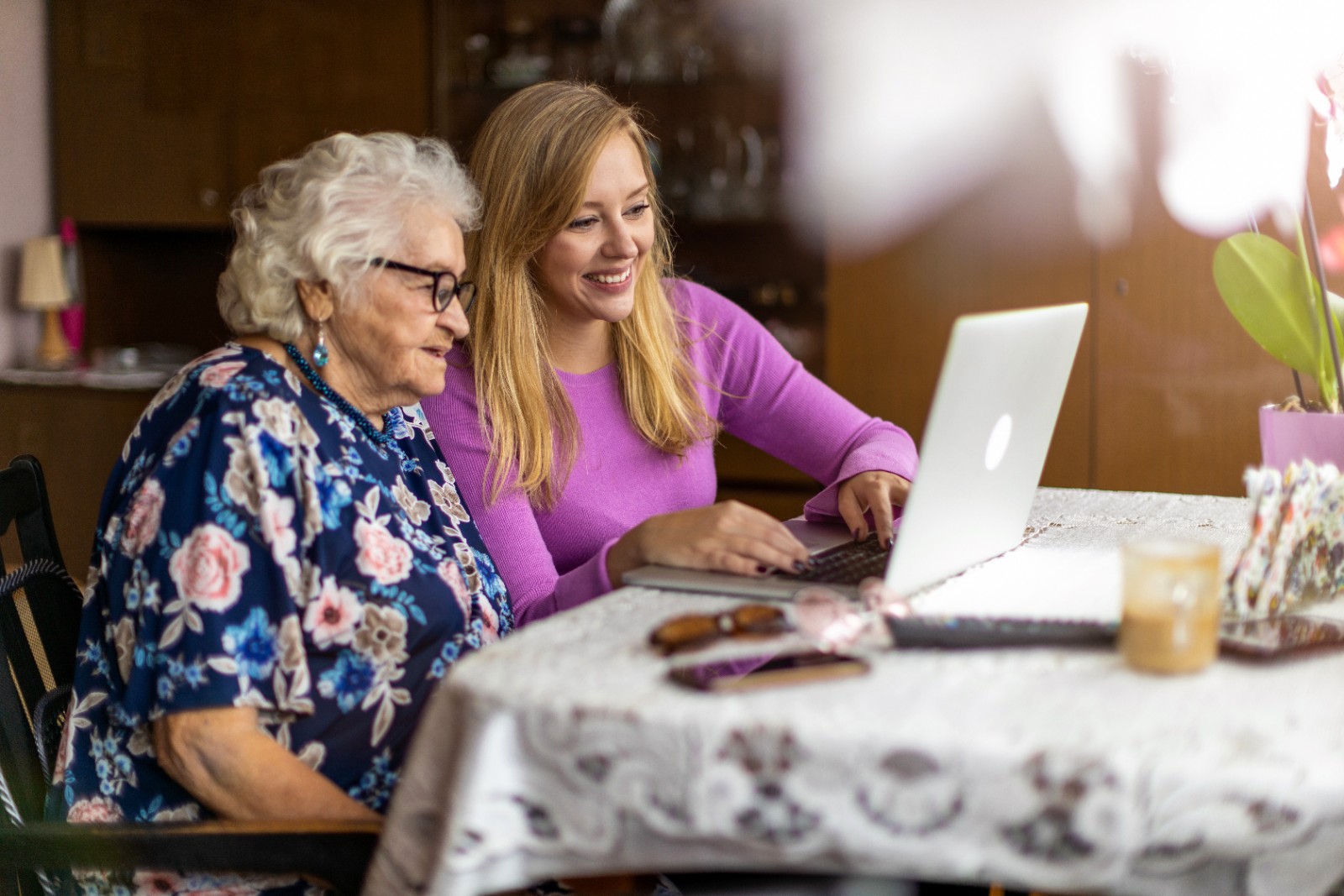
- Companionship
The amount and type of assistance can vary from person to person. This allows care to support an individual’s daily life rather than completely change it.
3. Keep Everyday Routines Familiar
Moving into a new care environment can also mean adjusting to a new schedule and way of doing things.
Receiving care at home can make it easier to maintain familiar routines. An individual may be able to continue eating meals at their usual times, enjoying favorite activities, spending time with family, and going about their day in an environment they already know.
While additional support may change parts of someone’s routine, receiving that care at home can help maintain a sense of consistency.
4. Receive Support Based on Individual Needs
There’s no single approach to home care that works for everyone.
One person may need occasional assistance with household tasks, while another may need regular help with activities of daily living. Care needs can also change over time.
In-home care allows support to be based on the individual’s needs, preferences, schedule, and authorized care plan when applicable.
For Missouri families considering home care in St. Louis, understanding those individual needs can be an important first step toward determining which services and care arrangement may be appropriate.
5. Give Family Caregivers Additional Support
Family members often play an important role in helping loved ones remain at home. But caregiving can also involve balancing work, appointments, household responsibilities, and other commitments.
In-home care can provide families with an additional source of support.
For some families, this may mean having a caregiver assist with personal care and everyday activities. Others may benefit from respite care, which provides temporary care and supervision while offering relief to the family caregiver who typically provides or coordinates care.
Of course, additional support doesn’t replace the important role family members play. Instead, it can help families share caregiving responsibilities while making sure their loved one continues receiving needed assistance.
6. Stay Connected to the Community
Receiving care at home can help someone remain connected not only to their house, but also to the community they already know.
HCBS programs help eligible older adults and people with disabilities receive necessary services in their homes and communities.
Depending on eligibility and assessed needs, HCBS may include personal care, homemaker services, respite care, home-delivered meals, and other authorized services.
7. Choose From Different Home Care Options
Families may also have different options for accessing and paying for care at home.
Eligible Missouri residents may qualify for Medicaid-funded home care through MO HealthNet and HCBS. Some eligible individuals may choose Consumer Directed Services (CDS), which gives participants greater responsibility for directing their personal care services, including recruiting, hiring, and supervising their attendants.
Private pay care provides another option for families seeking in-home assistance outside of Medicaid-funded services.
Understanding the differences between these options can make it easier to determine which path may fit an individual’s needs and circumstances.
Find Compassionate Home Care in St. Louis
The right care looks different for every person and every family. For many, receiving care at home offers a way to get additional assistance while remaining connected to familiar surroundings, routines, and the community they call home.
At Kingdom Care, we believe home care should be built on compassion, trust, and respect for each family’s individual needs. We serve families throughout St. Louis County and surrounding communities with Medicaid-covered home care, Consumer Directed Services, respite care, and private pay care options.
Looking for home care in the St. Louis area? Contact Kingdom Care to learn more about your options and how we can support you or someone you love at home.
Kingdom Care does not determine Medicaid or HCBS eligibility or guarantee authorization of services. Eligibility, assessments, care plans, and service authorizations for Medicaid-funded services are determined by the appropriate Missouri state agencies in accordance with applicable program requirements. Available services vary based on eligibility, program requirements, and individual needs.